Diriyah is where the Saudi story starts. This oasis town on a bend of Wadi Hanifah, on the north-western edge of modern Riyadh, became the seat of the Al Saud in the 18th century and the capital of the First Saudi State, traditionally dated from 1727. For a few decades its rulers controlled much of the Arabian Peninsula, until an Ottoman-Egyptian army besieged and destroyed the town in 1818. The ruling family later re-established itself a few kilometres away, in Riyadh.
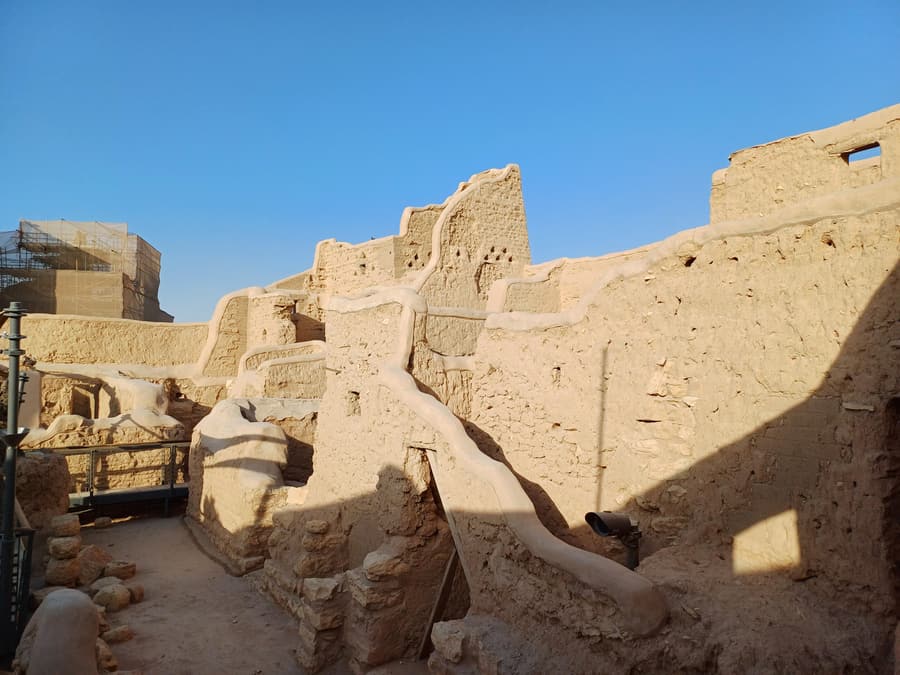
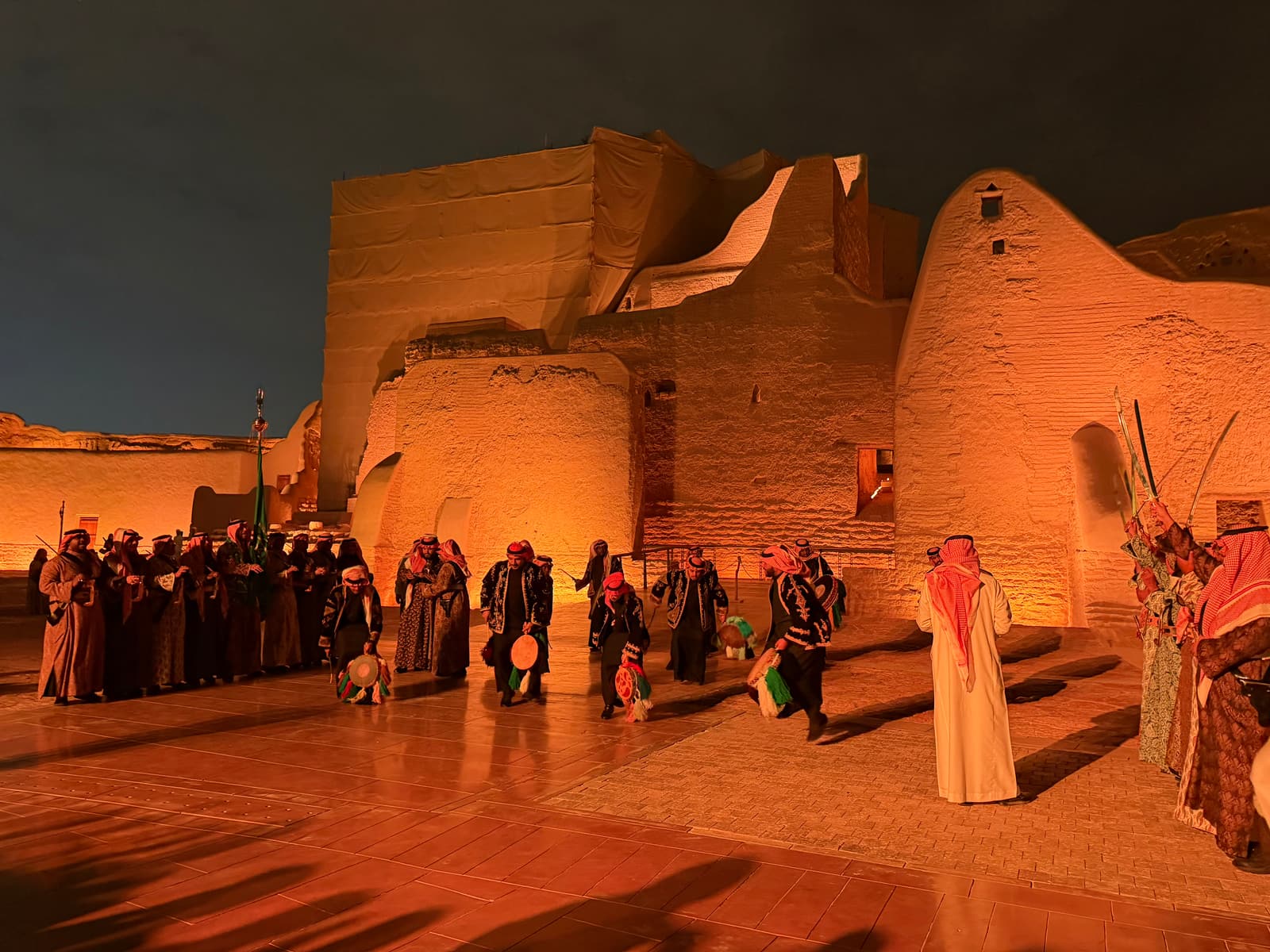
The ruined royal quarter, At-Turaif, was inscribed as a UNESCO World Heritage Site in 2010 as an outstanding example of the Najdi mud-brick style. After years of restoration it reopened as an open-air museum of palaces, lanes and small galleries, softly lit at night. Across the wadi, Bujairi Terrace lines the opposite bank with restaurants and cafés that look straight at the floodlit walls. Around both, a very large development of new Najdi-style streets, hotels and museums is still being built.
Top things to do at Diriyah & At-Turaif
Walk through At-Turaif to Salwa Palace
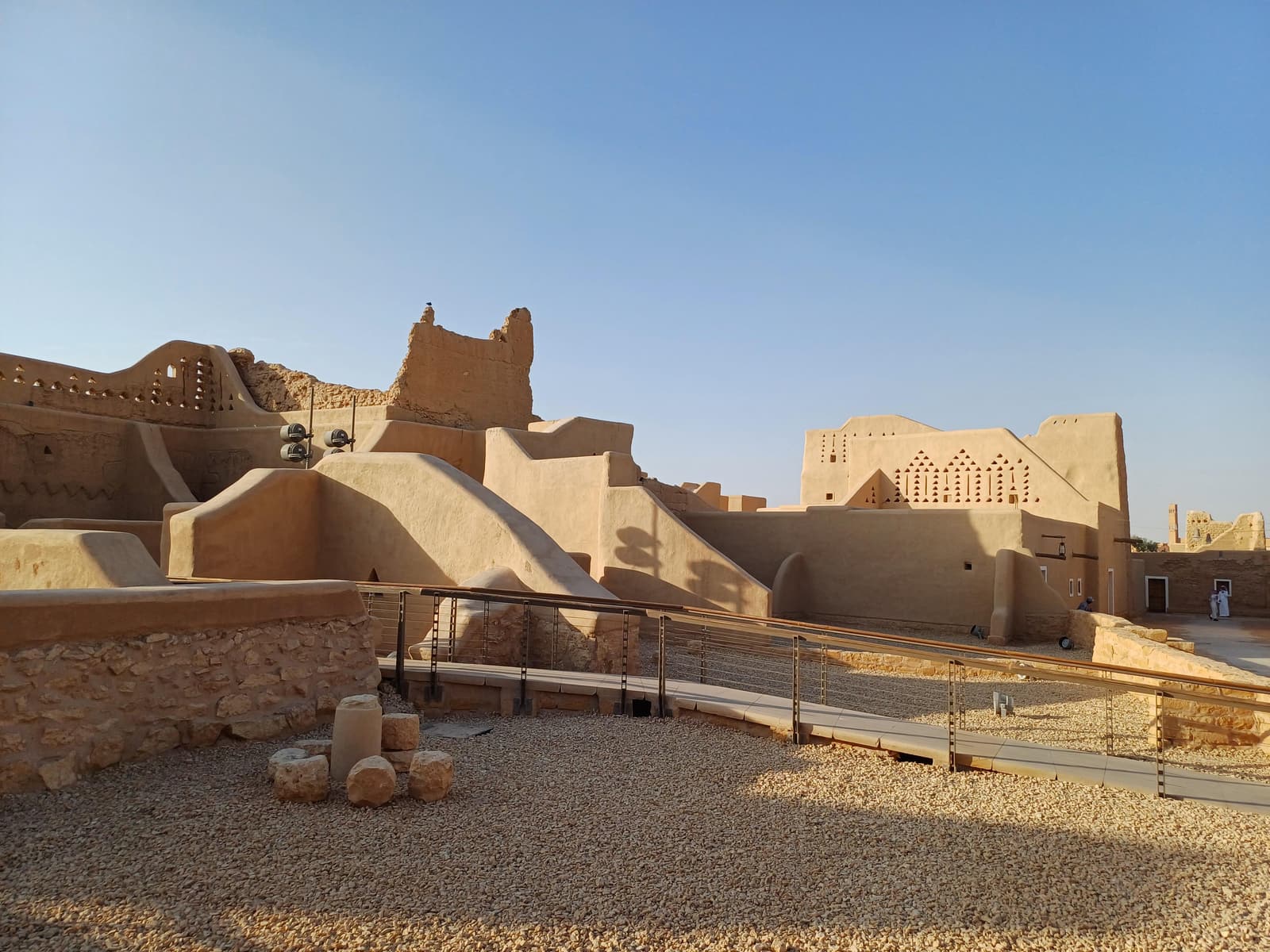
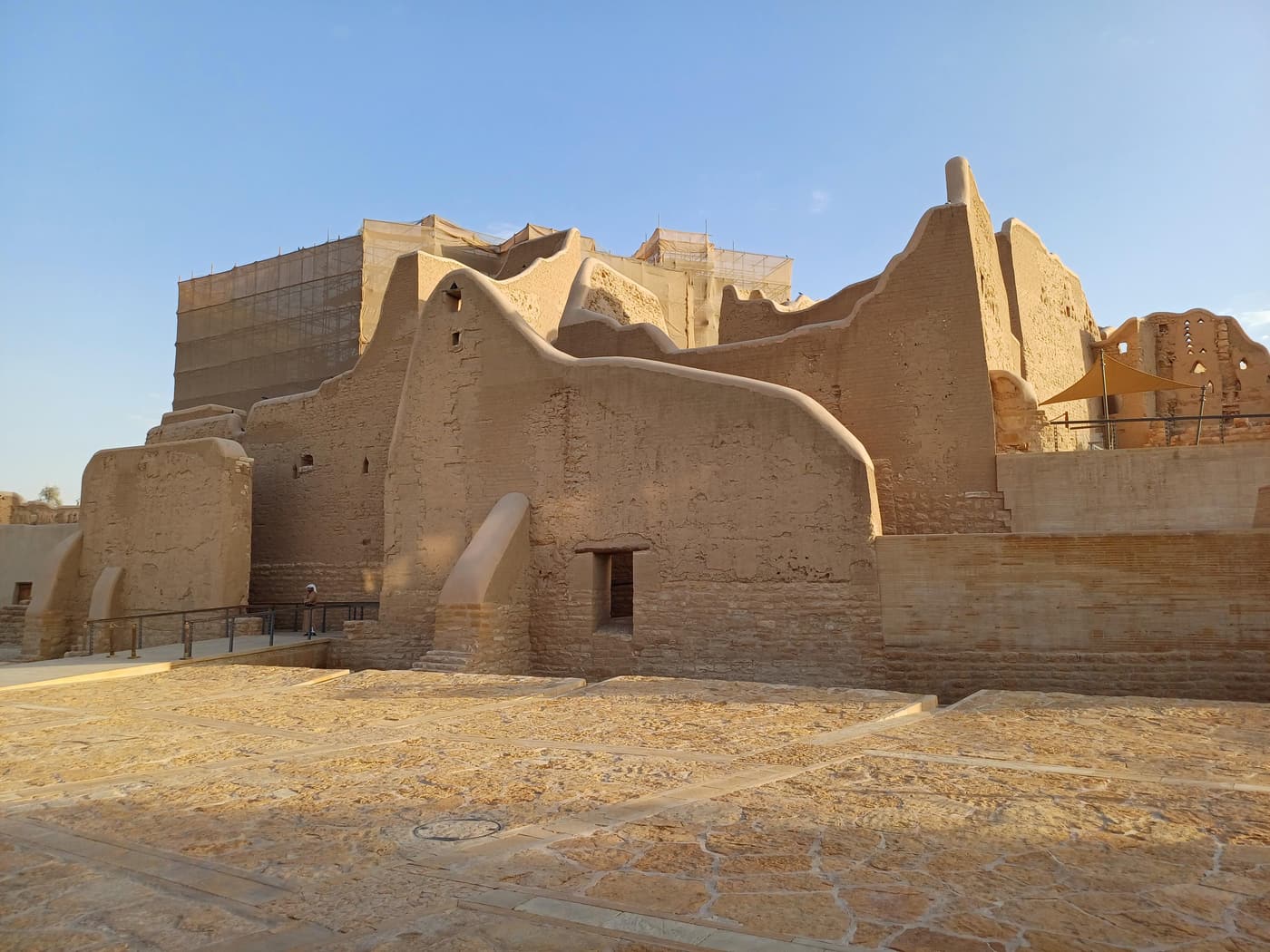
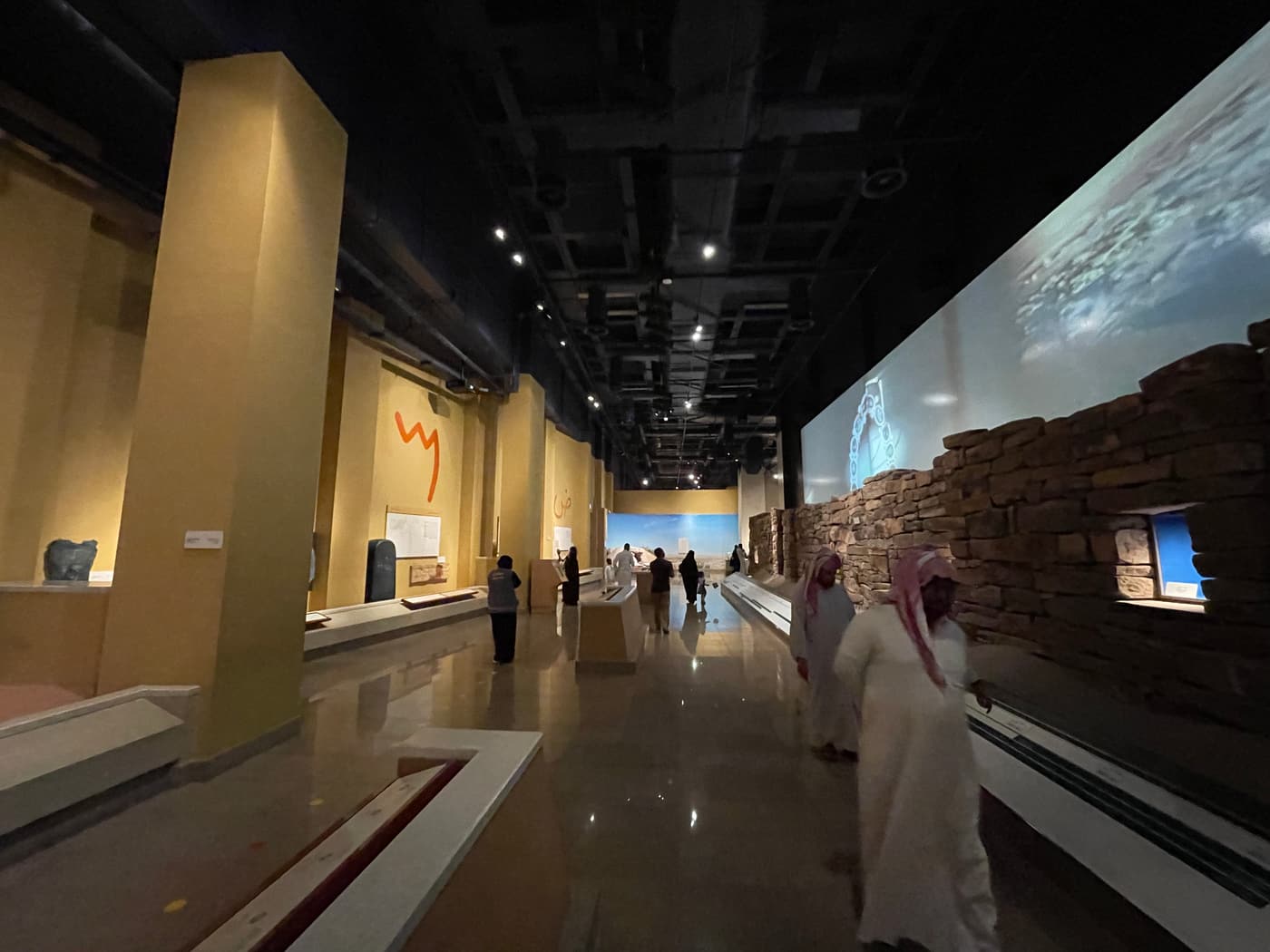
The largest complex in the district was the seat of the first Saudi imams. Its tall walls with triangular vents and its inner courtyards are the image of Diriyah. Raised walkways lead through the ruins, and small museums in restored houses cover the history of the state, traditional architecture, the Arabian horse and daily life in the Najd.
Stay for sunset and the lights
Mud-brick glows in low sun, and after dark the whole quarter is lit from below. The usual plan is to arrive in the late afternoon, explore At-Turaif as the light turns, and cross to Bujairi for the evening.
Eat at Bujairi Terrace
The terrace gathers a couple of dozen restaurants and cafés, from Saudi kitchens to well-known international names, most with outdoor tables facing At-Turaif. On weekend evenings it is one of the busiest places in the city; reserve a table if you have a particular restaurant in mind.
See the art at JAX
A few minutes away, a former industrial estate has become the JAX district of studios and galleries. It hosts the Diriyah Contemporary Art Biennale and other exhibitions; outside those events, check what is open before making the detour.
How to get to Diriyah & At-Turaif
- By taxi or ride-hailing: Uber and Careem are the simplest way; allow about 25–40 minutes from Olaya depending on traffic, and longer on weekend evenings.
- On a tour: guided visits from Riyadh include transport and context — see our tour ranking.
- By public transport: the metro does not currently run to Diriyah. Buses serve the area, but for most visitors a car is far easier.
Insider tips
- Entry to At-Turaif and Bujairi Terrace is managed through passes booked on Diriyah’s official website or app. Prices, time slots and what is free have changed several times — check the current arrangement before you set off.
- Opening is weighted towards the afternoon and evening, and the site can open later on Fridays. Mornings may be closed.
- There is a fair amount of walking on uneven surfaces. Wear flat shoes and, outside winter, come late in the day.
- Dress modestly, as you would elsewhere in Riyadh: shoulders and knees covered for men and women.
- Combine Diriyah with Wadi Hanifah or the Diplomatic Quarter, both close by.
Best tours & tickets for Diriyah & At-Turaif
These top-rated experiences are the easiest way to see Diriyah & At-Turaif:
Heritage tour from €174 Riyadh: Historic Diriyah Guided Tour
Diriyah is easy to reach on your own but much richer with someone to explain it. This small-group tour covers the mud-brick palaces of At-Turaif, the galleries that tell the story of the Al Saud, and the restaurant terraces of Bujairi across the wadi. Check on the booking page whether entry tickets are included.
- The UNESCO-listed At-Turaif district with a guide
- Salwa Palace and the story of the First Saudi State
- Time at Bujairi Terrace
 City tour from €143
Riyadh: Full-Day City Exploration Tour with Optional Lunch
A full-day overview by car for travellers with only one day: the historic centre, the museum quarter and the modern skyline. Reviews are more mixed than for the others on this page, so read the recent ones and confirm the itinerary before booking.
- Old and new Riyadh in a single day
- Hotel pickup and a private vehicle
- Optional traditional lunch