The short answer: come between November and March. Riyadh has a hot desert climate with very little rain, low humidity and a huge gap between summer and winter. The cool months bring blue skies, warm days, cold nights and the city’s festival season. Summer is a different matter — afternoon temperatures in the mid-forties are normal.
The seasons, compared
| Season | Months | Typical day / night | What it is like |
|---|---|---|---|
| Winter | December – February | ≈ 18–22 °C / 7–10 °C | Peak season. Mild, sunny days, cold nights, Riyadh Season in full swing. Occasional rain. |
| Spring | March – April | ≈ 27–33 °C / 14–20 °C | Warm and pleasant, then hot. The likeliest months for thunderstorms and dust. |
| Summer | May – September | ≈ 39–44 °C / 25–30 °C | Fierce, dry heat. Life moves indoors and after dark. Lowest hotel prices. |
| Autumn | October – November | ≈ 27–35 °C / 14–21 °C | Cooling fast. Riyadh Season usually opens. November is excellent. |
November to March: the cool season
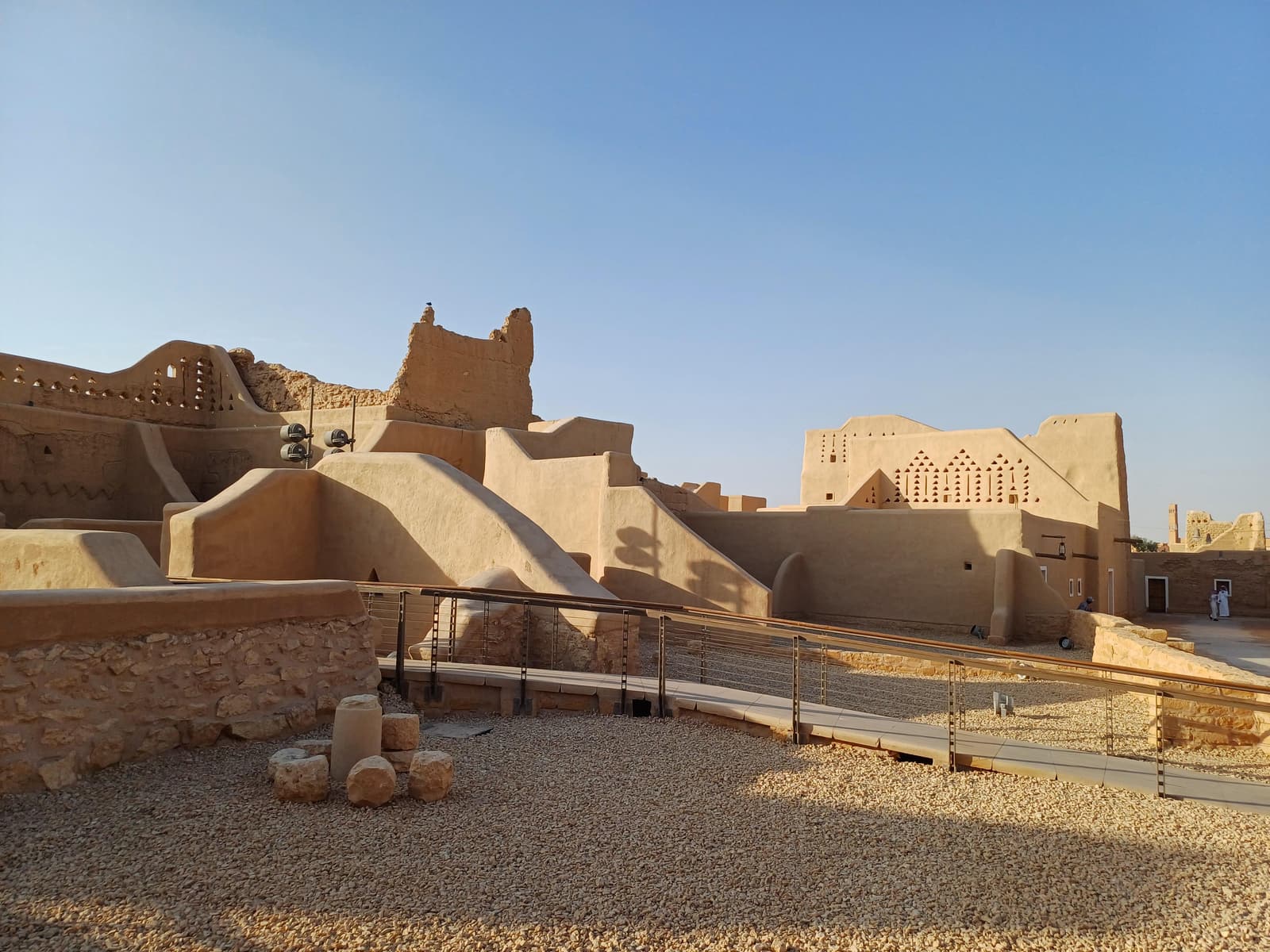
This is when Riyadh is at its best, and when almost everything described on this site is comfortable to do. Daytime temperatures suit walking around Diriyah and the old town; the desert is pleasant in the afternoon and properly cold after sunset, so bring a jacket for the Edge of the World. January nights in the open desert can approach freezing.
It is also the busy season. Riyadh Season — the months-long programme of concerts, sport and entertainment — typically opens in October and runs into late winter, alongside separate seasons of events in Diriyah. Hotels fill and prices climb around headline events and major conferences. Book accommodation early and reserve popular restaurants at weekends.
Rain is rare, but when it comes it tends to come in short, heavy bursts between November and April. Roads flood quickly, wadis become dangerous and desert tracks may be closed for a day or two afterwards.
April and October: the shoulder months
Both are warm to hot by day and pleasant in the evening. October is still very warm but improves week by week. April is the more unsettled of the two: spring brings the highest chance of thunderstorms and of dust or sandstorms, which can cut visibility and occasionally delay flights. Desert trips still run, with later departures.
May to September: summer
Riyadh’s summer is long and extreme. From June to August the daily high is usually 42–45 °C, and nights stay around 30 °C. The air is dry, which makes it more bearable than the Gulf coast, but the sun is punishing and outdoor sightseeing is realistic only in the early morning and after sunset.
The city is built for it: everything is air-conditioned, museums and malls are comfortable, and local life simply shifts to the night. Hotel rates fall to their lowest. If summer is the only time you can come, plan indoor sights for the day, Diriyah and the souq for the evening, and think hard before booking a desert trip — if you do, choose a sunset departure and take far more water than you think you need.
Ramadan and the holidays
The Islamic calendar is lunar, so Ramadan falls about eleven days earlier each year. In 2027 it is expected to begin around 8 February and in 2028 around 28 January; exact dates depend on the sighting of the moon. During Ramadan, daytime is subdued, restaurants are closed until sunset and opening hours are short, while the nights are festive. See the travel guide for how it affects visitors.
- Eid al-Fitr (the end of Ramadan) and Eid al-Adha (about ten weeks later) are multi-day public holidays. Many businesses close for the first days, while malls and entertainment venues are very busy.
- Founding Day (22 February) and Saudi National Day (23 September) bring flags, fireworks, air shows and street celebrations, particularly in Diriyah and along the main boulevards.
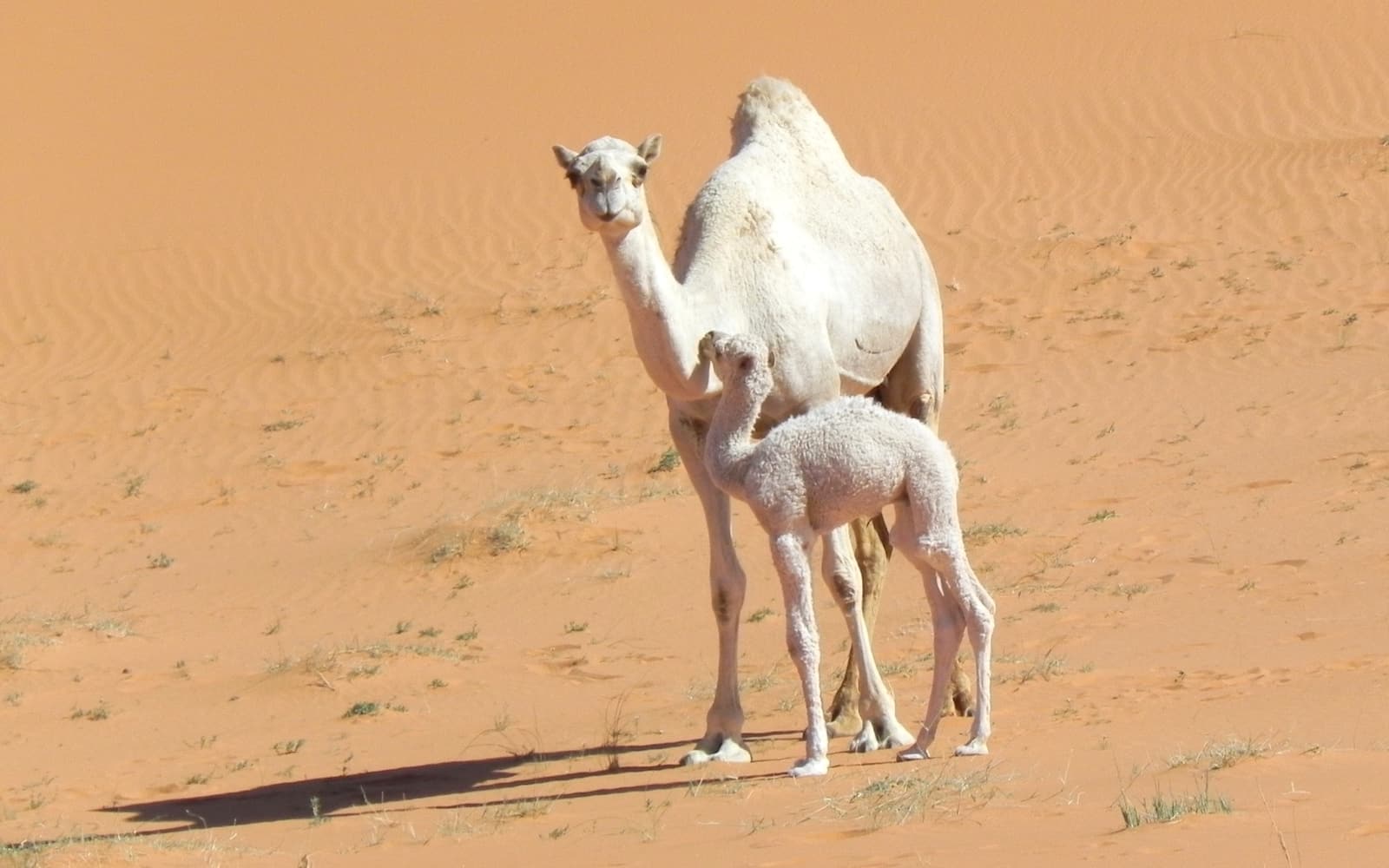
- The King Abdulaziz Camel Festival is held in the desert north-east of the city, usually in December and January.
Best time for the desert
For the Edge of the World, the Red Sand Dunes and hikes such as the Camel Trail, aim for November to early March. The air is clearest in winter, sunsets are earlier (so you are back in the city sooner) and the night sky is at its best around the new moon. After good winter rain, the desert north of Riyadh briefly turns green and wildflowers appear in spring.